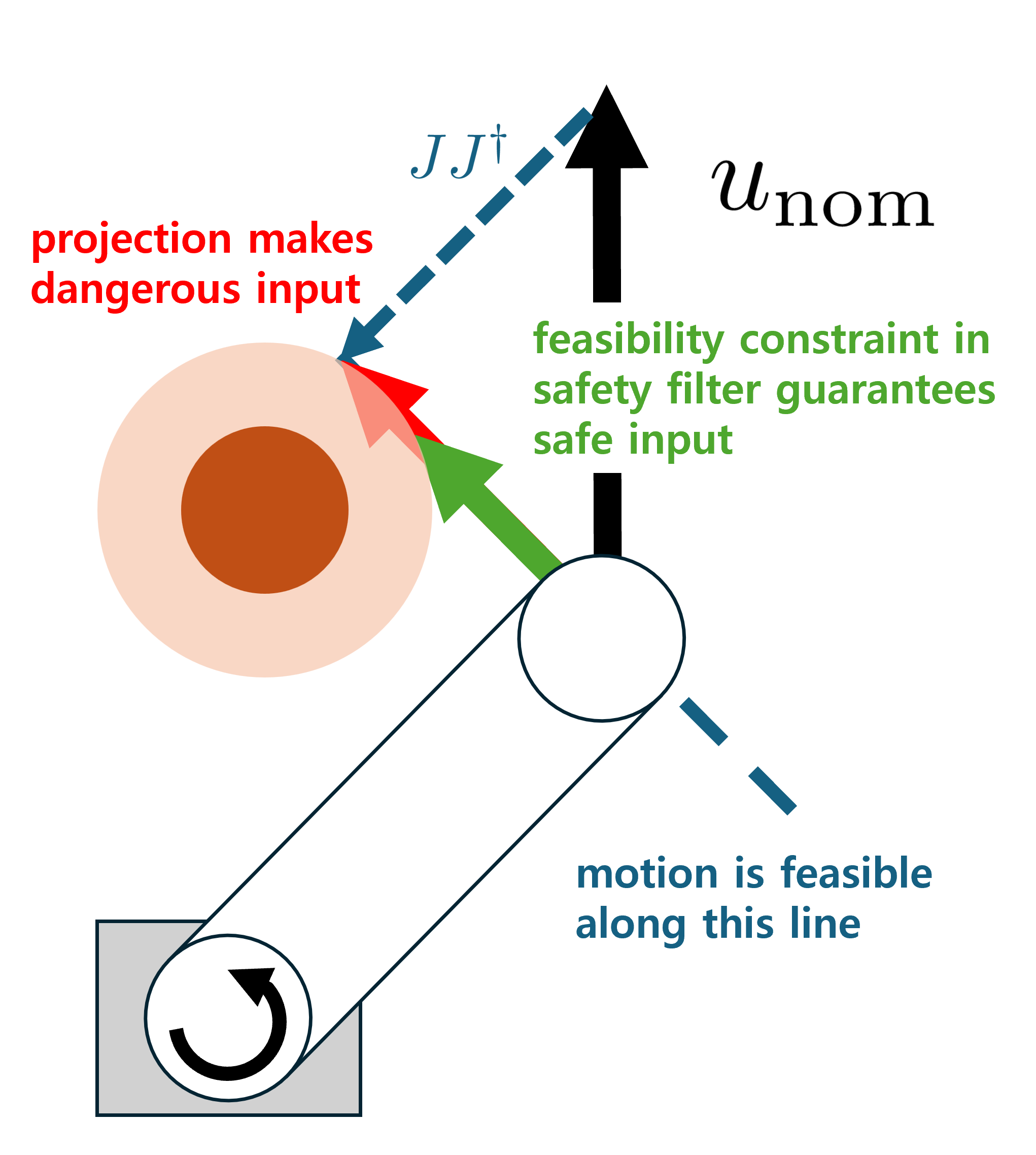

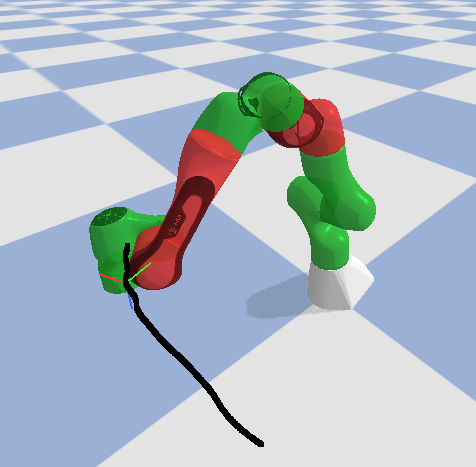
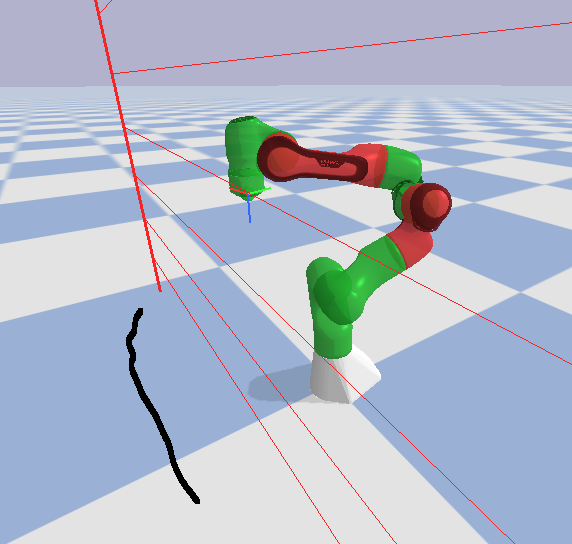
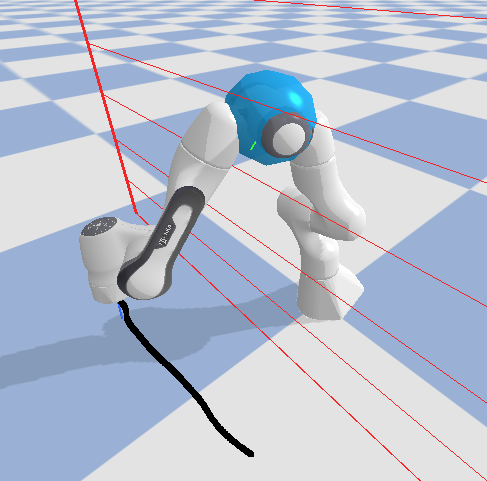
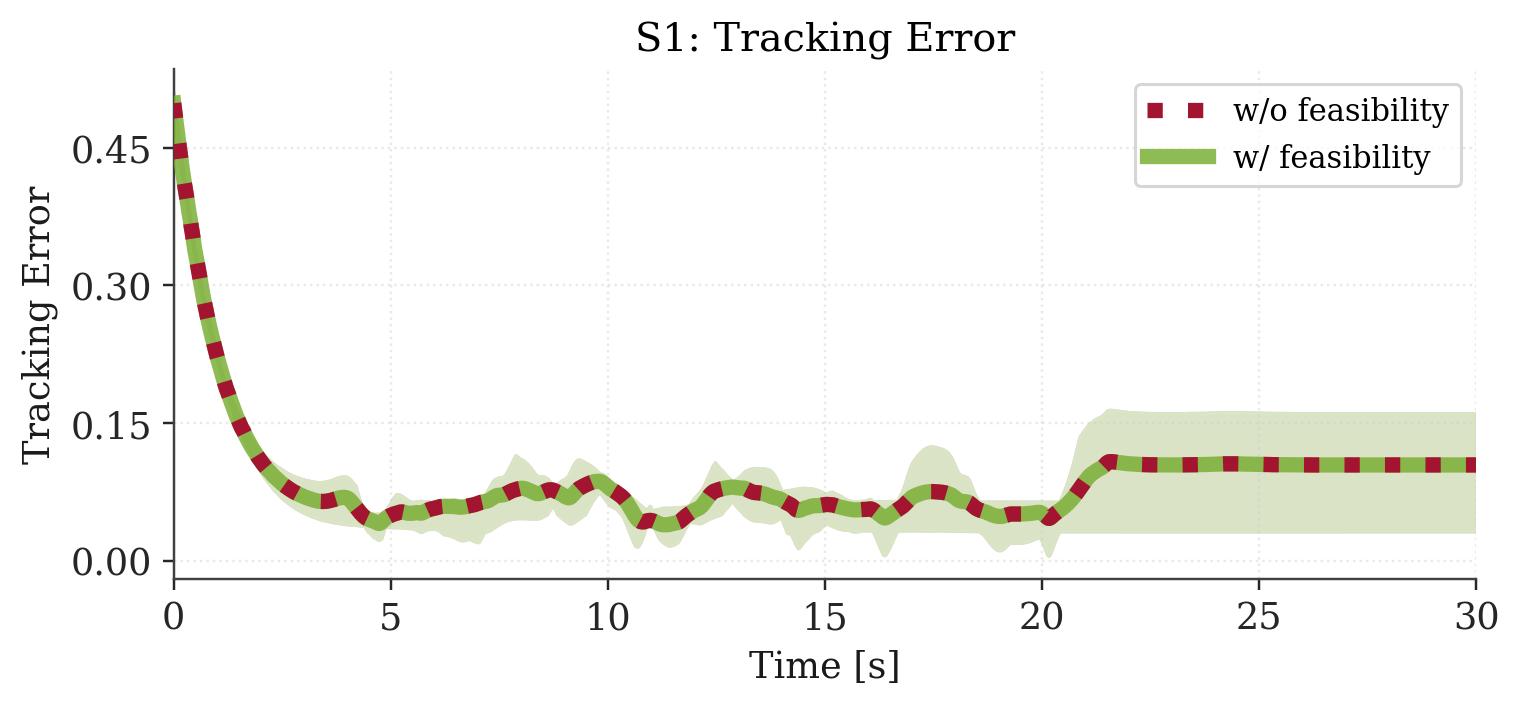
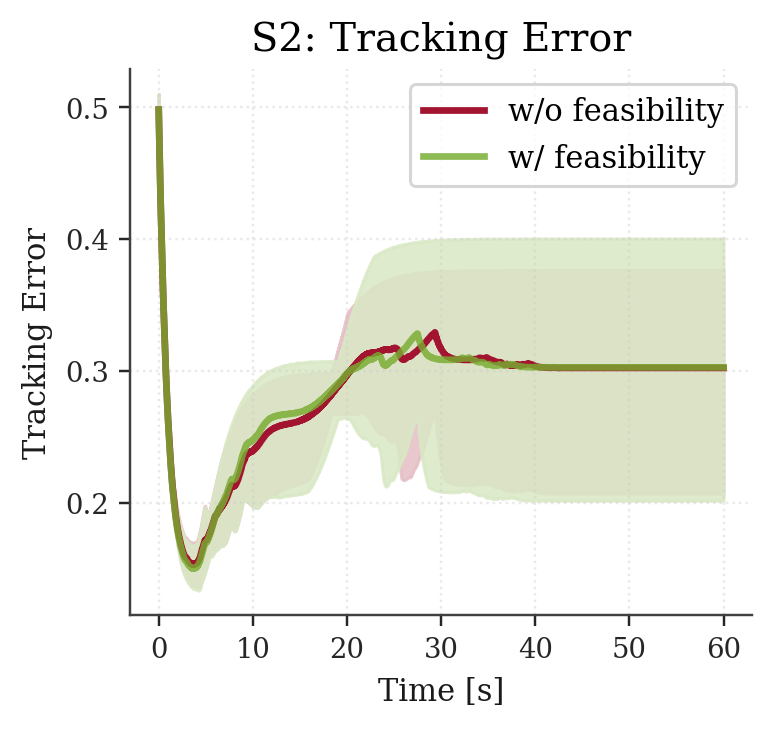
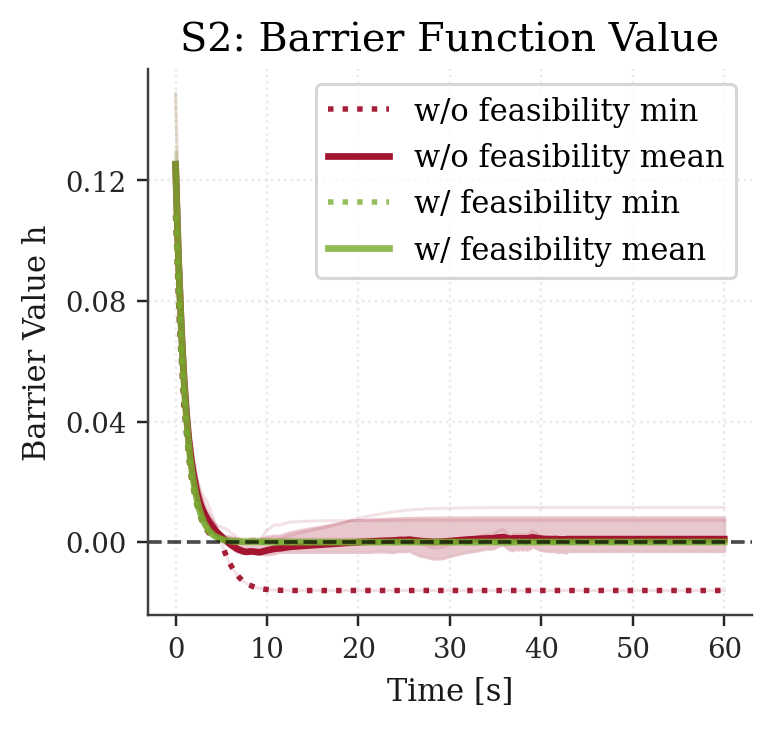
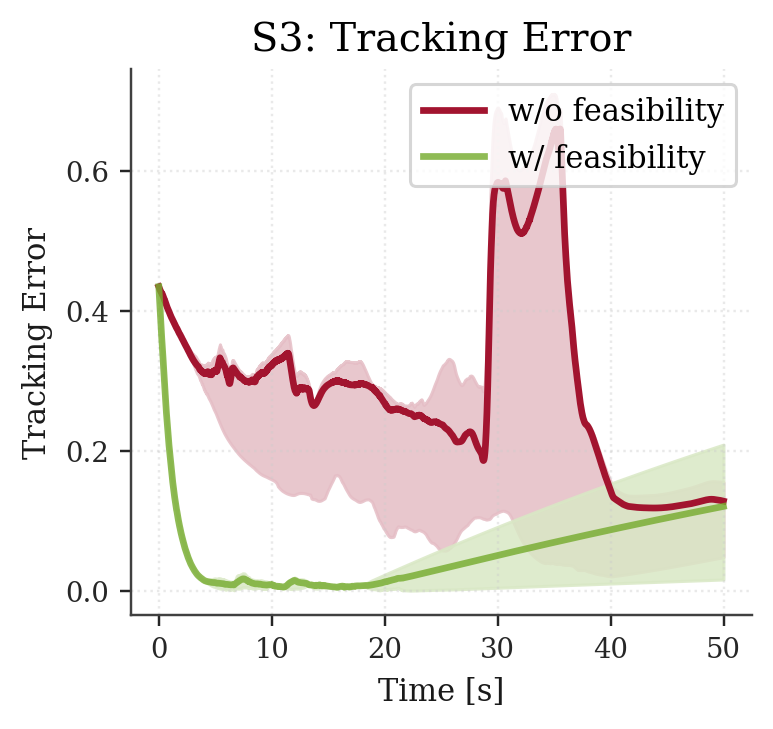
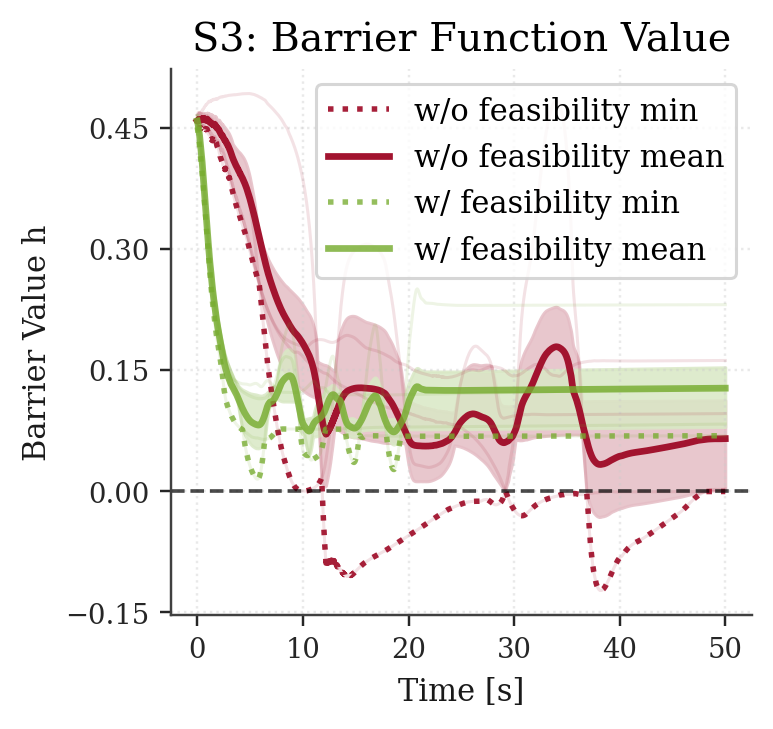
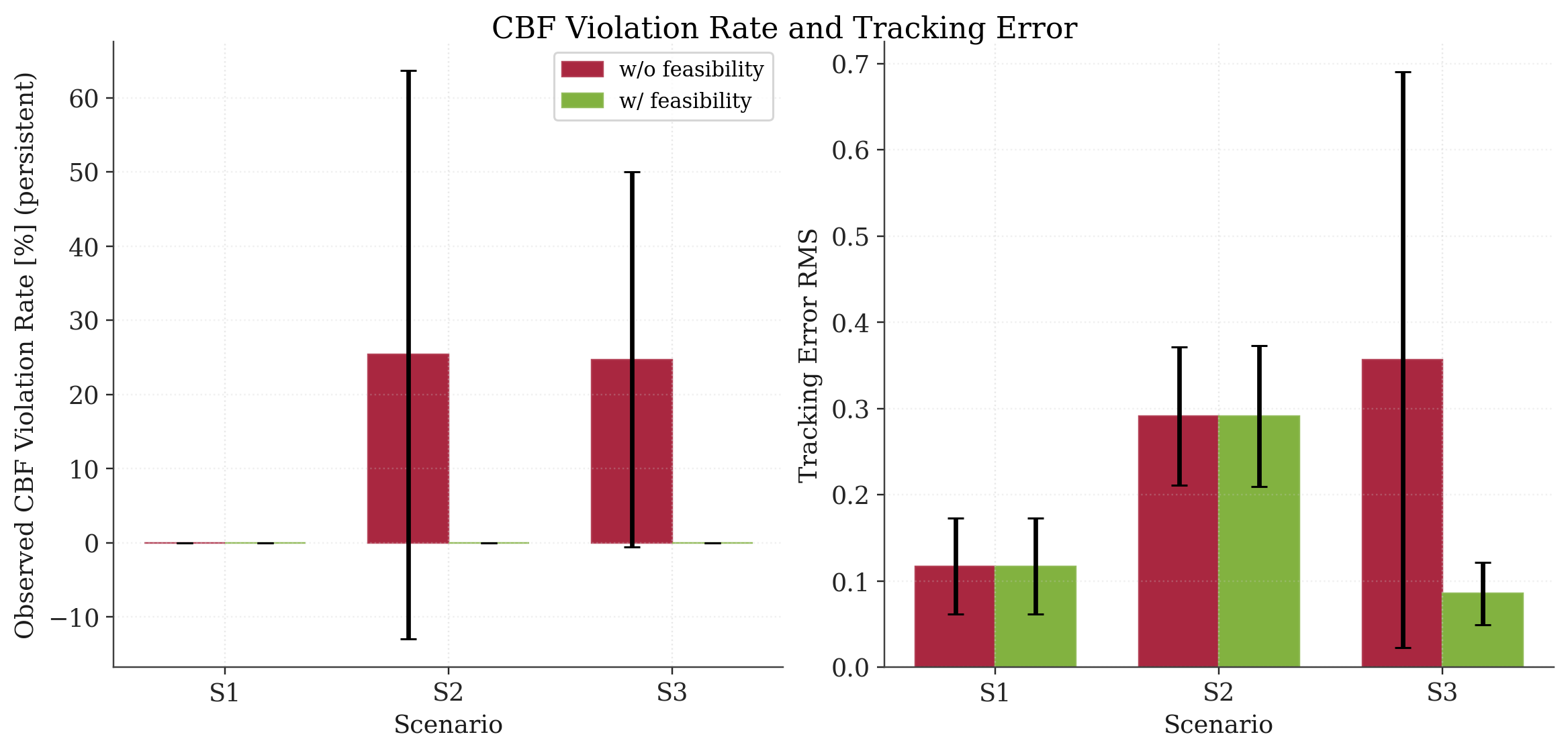
This paper presents a task space safety filter for velocity-driven underactuated robotic manipulators. Existing control barrier function-based safety filters are mainly developed for fully actuated or kinematically redundant robots, for which any local task space velocity is realizable away from singularities. For underactuated manipulators, however, the feasible task space velocities are restricted to the Jacobian range even at regular configurations, so a command that satisfies a CBF constraint at the optimization stage can lose its safety guarantee after pseudoinverse execution. To address this issue, we explicitly enforce motion feasibility in the safety filter by constraining the filtered velocity to the Jacobian range through an equivalent left-nullspace condition. The resulting formulation unifies obstacle avoidance, general inequality and equality motion constraints, and optional joint velocity limits in a single convex quadratic program. We further discuss feasibility of the QP, and effect of CBF parameters on the QP performance. Experiments on underactuated robotic arm scenarios validate the proposed approach.